Pregnant or breastfeeding, and unsure about spirulina? This article says neither “yes” nor “no”; it sets out what to bring and say when you ask an OB-GYN, midwife or pharmacist. Even on days short on vegetables, aim for days when you can think “at least I have topped up a little today.” ※Not a substitute for vegetables.
This article is based on materials from Japan’s Ministry of Health, Labour and Welfare, the Food Safety Commission and ANSES (France), and on what the NEW スピルリナEX box shows (checked October 24, 2026). Most of these materials are about health foods (健康食品) in general, not studies of spirulina in pregnancy or breastfeeding. This is not a substitute for a diagnosis or individual advice.
Conclusion: do not decide on your own; ask an OB-GYN, midwife or pharmacist
This article cannot say whether it is all right to take it while pregnant or breastfeeding. For health foods in general, the Ministry of Health, Labour and Welfare says that for pregnant and breastfeeding women 「胎児や乳児にも思わぬ影響が出る可能性があります」 (unexpected effects may also appear in the fetus or the nursing infant) and 「積極的に摂取することは、おすすめできません」 (it is not recommended to actively take them), and that tablet or capsule products in which specific components are concentrated call for 「特に注意が必要です」 (particular care) (all partial excerpts).
The Ministry’s booklet explains the reason: 「妊婦・授乳婦についてはその安全性をヒト試験で確認することが困難なため、「食べたらどうなるか」分からないことがほとんどです。母体だけではなく、胎児や乳児にも思わぬ影響が出る可能性があります。」 (because it is difficult to confirm safety for pregnant and breastfeeding women in human trials, in most cases it is not known “what happens when they eat it”; unexpected effects may appear not only in the mother but also in the fetus or the nursing infant). On the same page, noting that the effects of health foods on these groups are mostly unknown, it says 「そのため特定成分が濃縮された錠剤やカプセル状の製品の使用には、特に注意が必要です。」 (for that reason, particular care is needed with tablet or capsule products in which specific components are concentrated).
The Food Safety Commission says that the “guide amounts” on health foods are mostly set for healthy adults, and that older people, children, pregnant women (the fetus) and people who are ill, whose metabolic function is less developed or reduced, are more easily affected even by the same amount (summary), and it urges 「このような方々は、安易に「健康食品」を摂らないようにしてください。」 (these people should not take “health foods” casually).
On meals, the explanatory guide to the Ministry’s dietary guidelines says 「妊娠前から、野菜をたっぷり使った副菜でビタミン・ミネラルを摂る習慣を身につけることが大切です。」 (from before pregnancy, it is important to build the habit of getting vitamins and minerals from side dishes made with plenty of vegetables). Nutrition-aid foods (栄養補助食品) come after you have asked and checked. Even if a doctor, midwife or pharmacist says it is fine, everyday meals come first. On that basis, even on days short on vegetables, aim for days when you can think “at least I have topped up a little today.” ※Not a substitute for vegetables.
What this article does not say, stated up front:
- A judgment of “fine to take” or “not to be taken”
- A guarantee about safety in pregnancy or breastfeeding
- Whether the figures on the box fit what is advised in pregnancy
What the box and the public documents say
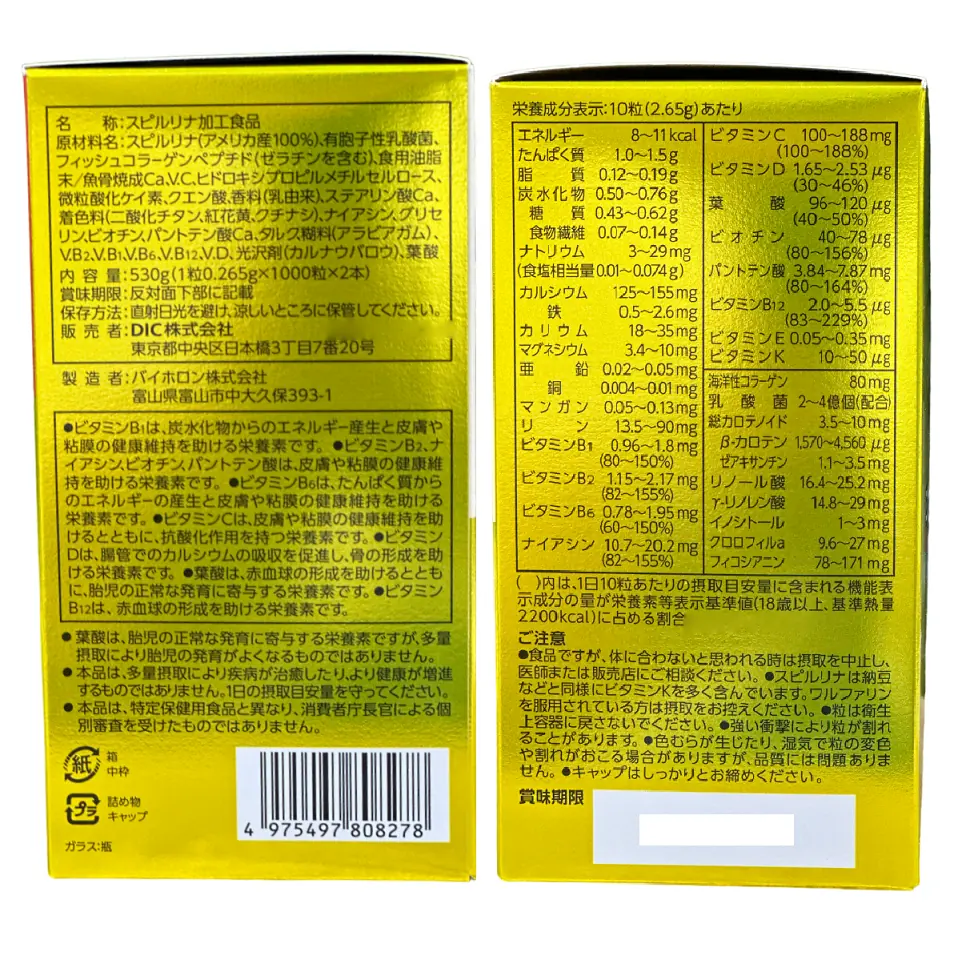
The NEW スピルリナEX box (four sides checked) does not say whether it can be taken during pregnancy or breastfeeding. Within the range checked, no public document was found that addresses the safety of spirulina in pregnancy or breastfeeding (the HFNet database was not checked).
| What was read | What it says |
|---|---|
| The box | No statement on pregnancy or breastfeeding. A folic acid caution is printed |
| Ministry of Health, Labour and Welfare 『健康食品の正しい利用法』 | Not recommended that pregnant or breastfeeding women actively take them (health foods in general) |
| Food Safety Commission | Pregnant women (the fetus) and others should not take them casually (health foods in general) |
| ANSES (France) | No recommendation for pregnant or breastfeeding women found (the opinion did not study them). One case in a pregnant woman |
In its 2017 opinion, ANSES reviewed reports of adverse events with nutrition-aid foods containing spirulina (the author’s translation and summary of the French original). Among the 10 sufficiently documented reports listed, one concerns a pregnant woman (34 years old): her child had congenital hypercalcemia, and because another cause was judged very probable, the link with spirulina was rated low (“douteux” in ANSES’s rating scale). It is a single report that also involved other products. A rating of “low link” does not mean it is safe in pregnancy, and this opinion is not a study of safety in pregnancy either.
Reading the nutrition facts: folic acid and the vitamins
The box shows folic acid (葉酸) at 96–120µg per 10 tablets (2.65g). If you also take other things that contain folic acid or vitamins, write down the names and amounts and ask an OB-GYN what the total comes to.
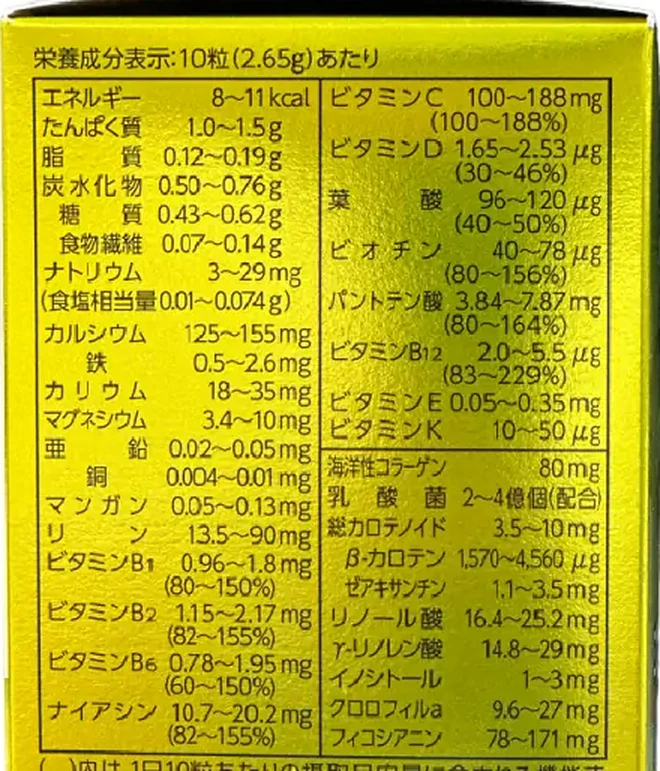
- Folic acid: the caution on the box reads 「葉酸は、胎児の正常な発育に寄与する栄養素ですが、多量摂取により胎児の発育がよくなるものではありません。」 (folic acid is a nutrient that contributes to the normal development of the fetus, but taking a large amount does not make the fetus develop better). The Dietary Reference Intakes for Japanese (2025 edition) say that women planning a pregnancy, women who may be pregnant and women in early pregnancy are advised to take 400µg a day of folic acid in the narrow sense from foods other than ordinary foods. The box’s ingredient list names 「葉酸」 as an added ingredient, but it does not say how much of the 96–120µg comes from it, so how much counts toward the 400µg cannot be determined.
- Beta-carotene: the box shows 1,570–4,560µg; it is a component that the body converts into vitamin A (provitamin A). The 2025 Dietary Reference Intakes say the tolerable upper intake level 「ビタミンA(レチノイド)に対してのみ定め、プロビタミンA(カロテノイド)は含めないこととした」 (is set only for vitamin A (retinoids) and does not include provitamin A (carotenoids)) (partial excerpt), while also noting that in studies using nutrition-aid foods, even carotenoids may have undesirable effects and further research is needed. (Not being covered by the upper level does not tell you how much is fine to take in pregnancy.) How to think about the amount in 10 tablets during pregnancy cannot be determined from these materials.
Points to keep in mind while breastfeeding
While breastfeeding, the thinking is the same. The Ministry of Health, Labour and Welfare groups “pregnant and breastfeeding women” together and says it is not recommended that they actively take health foods.

- Meals: the explanatory guide says 「付加量を十分に摂取できるように、バランスよく、しっかり食事をとることが大切です。」 (it is important to eat well and in a balanced way so that you can take enough of the added amounts). Drinking enough fluid also matters for milk production.
- Passing into breast milk: within the range checked, no public document was found that says whether components of spirulina pass into breast milk. The HFNet ingredient database entry for spirulina (National Institutes of Biomedical Innovation, Health and Nutrition) requires agreement to its terms, so this article has not read its content and only points to the link.
Notes for the visit: what to bring and what to say
Bring “the printing on the box”, “a list of what you already take” and “your medication notebook and maternal and child health handbook”. Say “whether you are pregnant or breastfeeding”, “why and how much you plan to take”, “any other medication” and “whether you have allergies”. If you take medication: the Ministry writes 「薬を飲んでいる人は、健康食品を摂取しない。」 (people taking medication should not take health foods) — mention this when you ask.
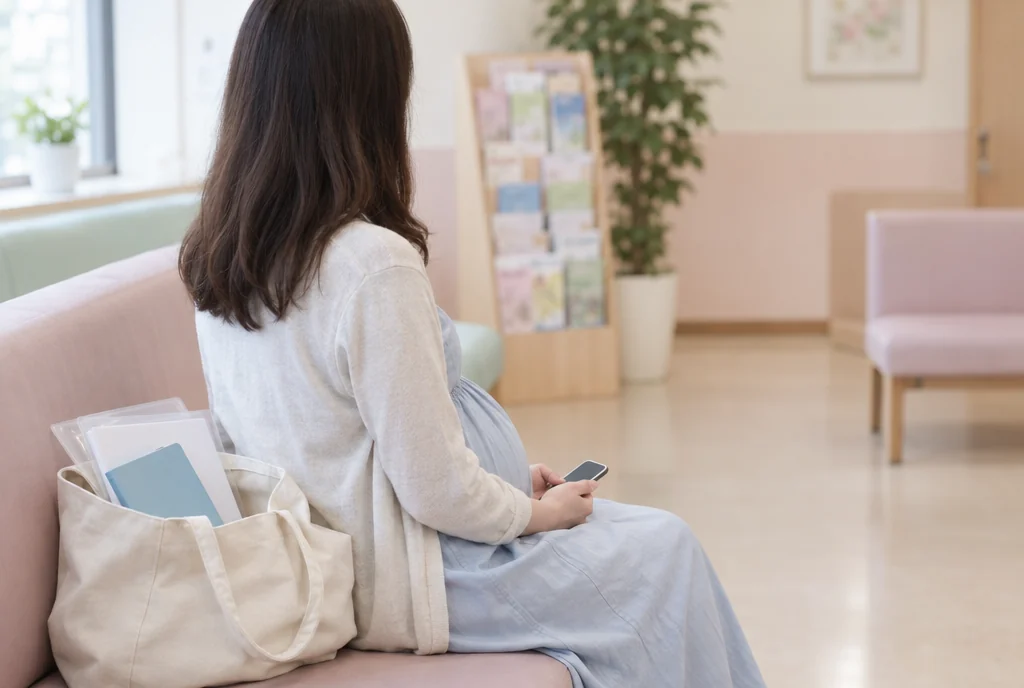
- □ Photos of the printing on the box (ingredient list, nutrition facts, cautions)
- □ The names, amounts and duration of any medication, folic acid and multivitamins you take (the Ministry recommends a memo of “what”, “for how long” and “how much”, and shows an example with a column for use alongside medication)
- □ Your medication notebook (お薬手帳) and maternal and child health handbook (母子手帳)
- □ What to ask: whether it is all right to take / if so, the amount, the duration and when to stop / which symptoms mean you should get in touch
Four things to say:
- Whether you are pregnant or breastfeeding (the week of pregnancy, the stage of breastfeeding)
- Why you want to take it (for example, many days short on vegetables) and how much you plan to take (the box’s guide is 10 tablets a day; the box does not say whether this guide applies to people who are pregnant or breastfeeding)
- Any other medication or nutrition-aid foods you take
- Any allergies (the box’s ingredient list includes gelatin and a milk-derived ingredient; see Spirulina Allergy Symptoms)
For people taking medication, the Ministry writes 「薬を飲んでいる人は、健康食品を摂取しない。」 (people taking medication should not take health foods) and advises that if you still want to use one, you consult a doctor, a pharmacist or similar. People taking warfarin (ワルファリン) are asked to refrain, as the box says (details in Spirulina and Warfarin).
One step from today
Just one thing today: photograph the panels of the box with the ingredient list, nutrition facts and cautions, write down what you already take, and show them at your next prenatal checkup or at the pharmacy.
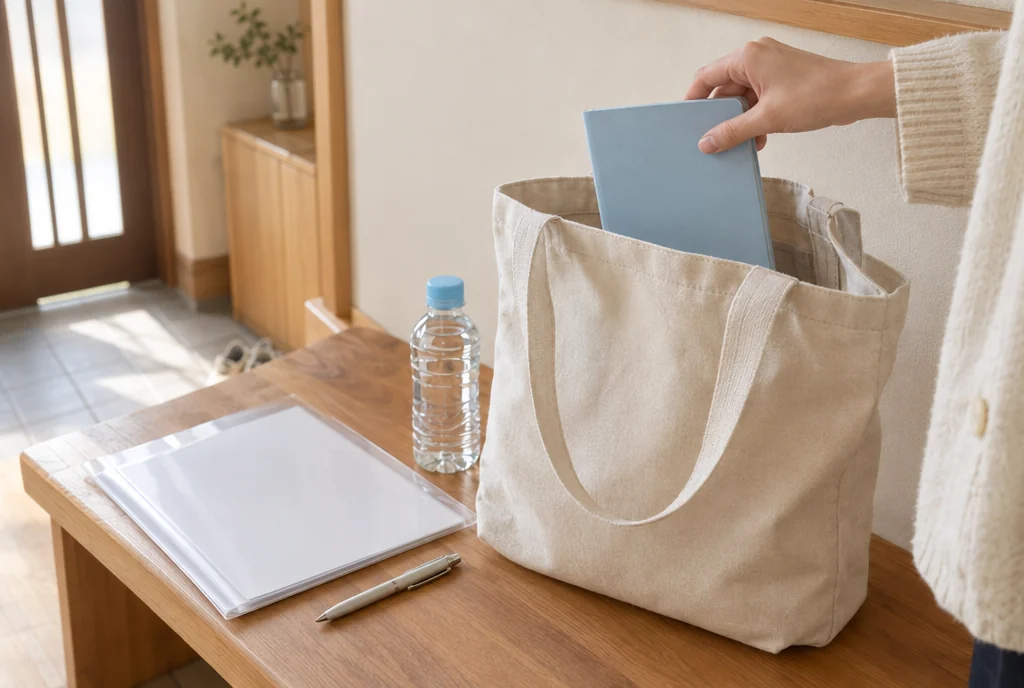
- □ Photograph the box
- □ Write down the names, amounts and duration of what you already take
- □ At your next checkup or pharmacy visit, ask “is it all right to take?”
NEW スピルリナEX is a food with nutrient function claims (栄養機能食品), and the box gives 10 tablets (2.65g) a day as the guide. This article cannot say whether it suits someone who is pregnant or breastfeeding. Even if a doctor, midwife or pharmacist says it is fine, everyday meals come first. On that basis, even on days short on vegetables, aim for days when you can think “at least I have topped up a little today.” ※Not a substitute for vegetables.
For who should be careful, see Who Should Not Take Spirulina?; if it does not seem to suit you, Does Spirulina Have Side Effects?; for how to read the box, What Is a Food with Nutrient Function Claims?; for the ingredients, Spirulina Nutrition; and for other questions, the FAQ.